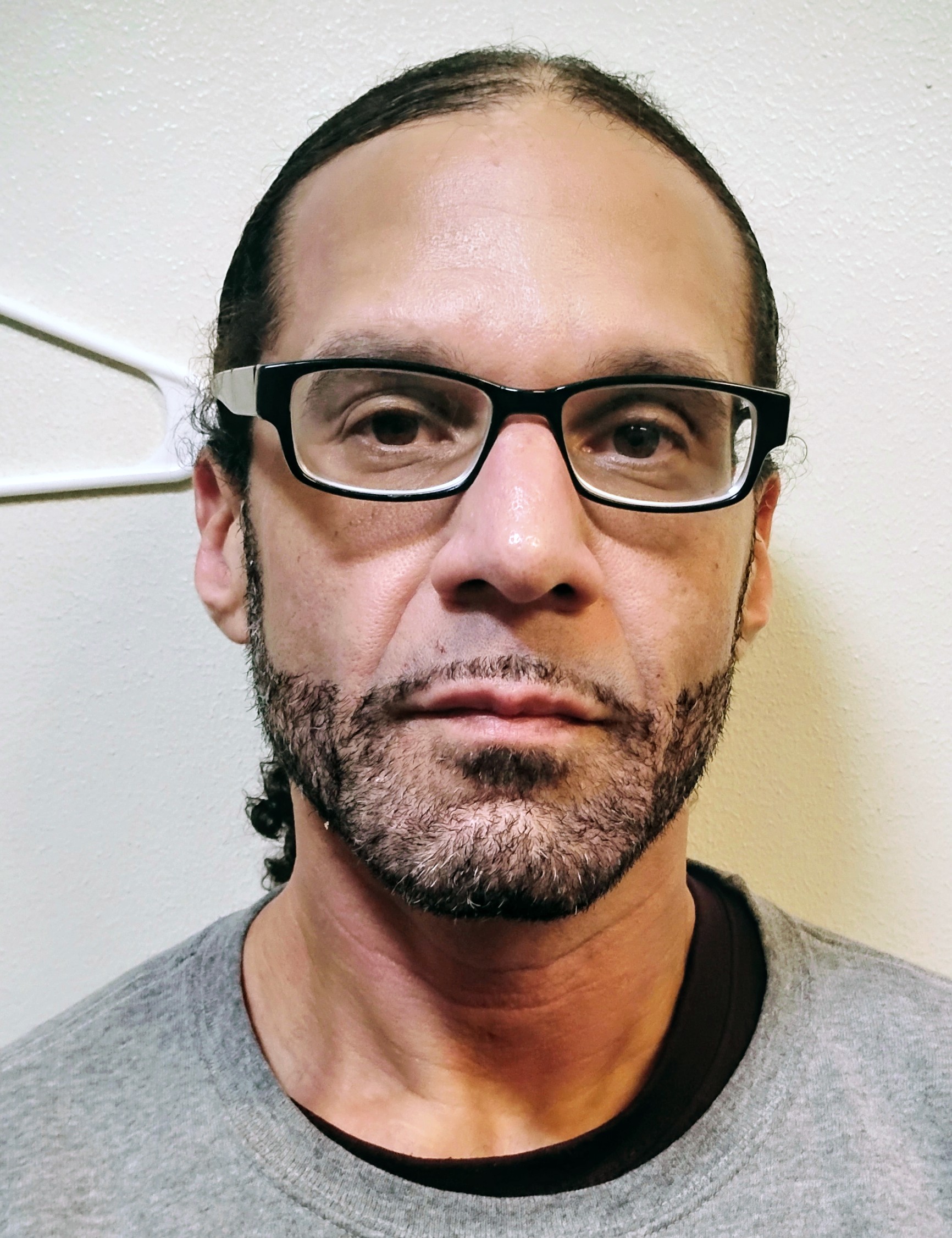
My name is Antonio Akel. I was federally prosecuted in the Northern District of Florida (Pensacola Division) in United States v. Akel, Case No. 3:07-cr-136-LC. The case originated from allegations that I conducted two “controlled buys” on May 31 and July 18, 2007. Those allegations became the probable-cause predicates for my arrest warrant, search warrant, and indictment, and were also charged as Counts 4 and 5 of the indictment. After trial, the jury acquitted me of Counts 4 and 5, and those acquittals necessarily resolved the alleged controlled buys in my favor.
Despite those acquittals, the government and courts continued to treat the alleged controlled buys as if they occurred. On direct appeal, the Eleventh Circuit’s opinion relied on a version of events that assumed the controlled buys were real, in tension with what the jury necessarily rejected. See United States v. Akel, 337 F. App’x 843, 857–58 (11th Cir. 2009). My core legal issue is apparent on the face of the record: once a jury acquits on the factual predicates that supplied probable cause, the government cannot relitigate those predicates as true. Continued reliance on acquitted facts violates the Fifth Amendment’s collateral-estoppel protection embedded in double jeopardy under Ashe v. Swenson and Yeager v. United States.
The record also includes sworn testimony indicating that the controlled-buy narrative was not the reliable foundation it was later portrayed to be. During my first post-conviction proceedings, an evidentiary hearing was held in 2014. My trial counsel testified that the controlled buys were dispositive to the entire case, that I was acquitted of them, and that he did not file the motions that would logically follow from that outcome. The transcript reflects, inter alia:
“And one more time for the record, sir, just to be sure, you said that there wasn’t any particular reason that you didn’t file for dismissal of the indictment or the Franks hearing once evidence was discovered that those controlled buys were false.”
“I didn’t file anything.”
“You didn’t file anything.”
“No, sir.”
(Dkt. 220 at 51–52 & 55–56.)
In short: the jury acquitted me of the controlled buys that formed the probable-cause foundation, yet the legal consequences of those acquittals have been suppressed through subsequent litigation positions and judicial characterizations that continued to rely on the acquitted predicates.
My current procedural posture is this: following the Supreme Court’s action in 2017 that vacated the denial of my prior § 2255 proceedings (Cert. No. 16-6032), I later filed a new § 2255 motion on September 30, 2021 (Dkt. 453) challenging my convictions on constitutional grounds. My ability to file a new § 2255 rests on the “new judgment” framework recognized in Magwood v. Patterson and applied in the Eleventh Circuit in Insignares v. Sec’y, Fla. Dep’t of Corr. (a new judgment permits a new first § 2254/§ 2255 challenge). My current § 2255 posture has been delayed by litigation over whether the motion is “second or successive,” but the merits remain tethered to the face-of-record conflict: acquittals on the probable-cause predicates versus continued reliance on those predicates.
The relief I am seeking is vacatur of my convictions and sentence, recognition that the acquittals eliminate the government’s ability to continue relying on the controlled-buy predicates, and issuance of a certificate of innocence. I am asking for review that is factual, record-based, and faithful to the constitutional consequences of a jury acquittal.